expedition Vessel
Galaxy Diver II
Galaxy Cruises
16
Passengers
9
Crew
296GT
Tonnage
35m
Length
8.2m
Beam
2024
Renovated
4
Decks
Ecuador
Flag
About Galaxy Diver II
18 photos
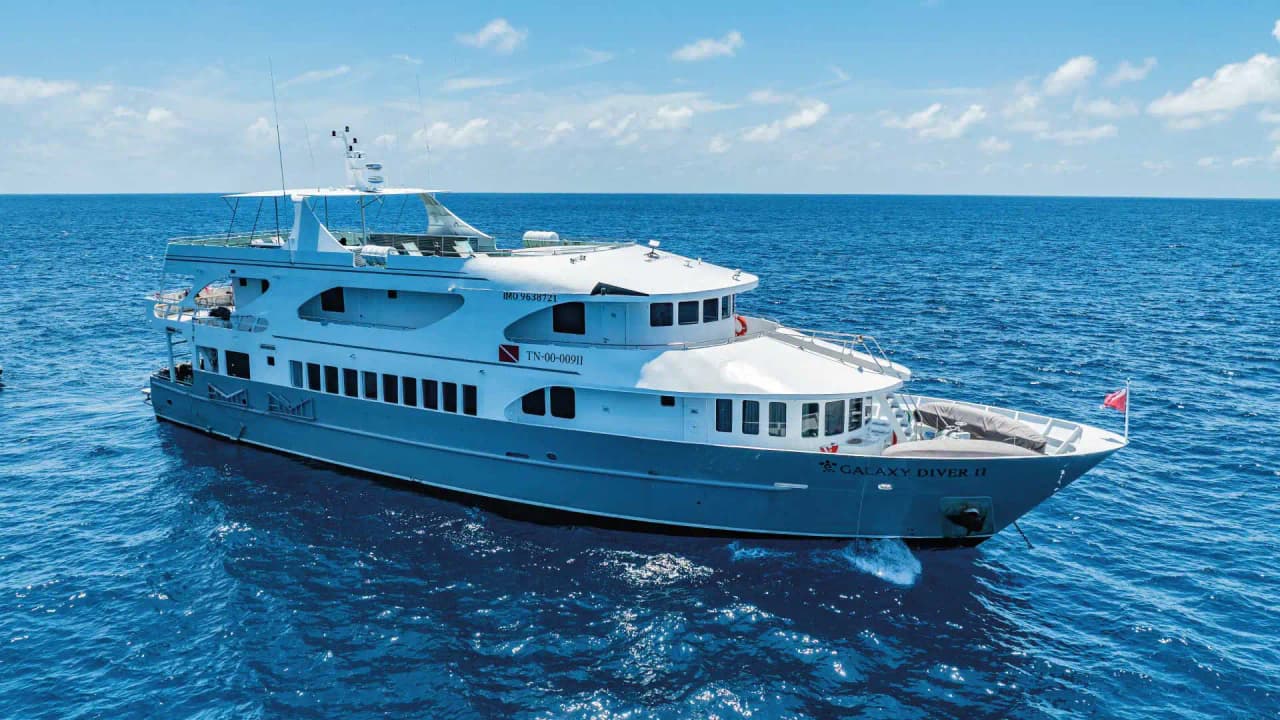

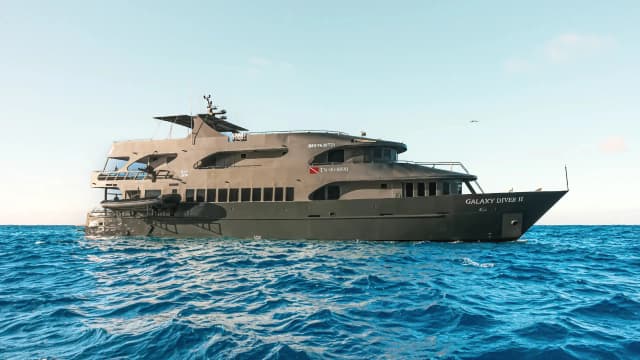
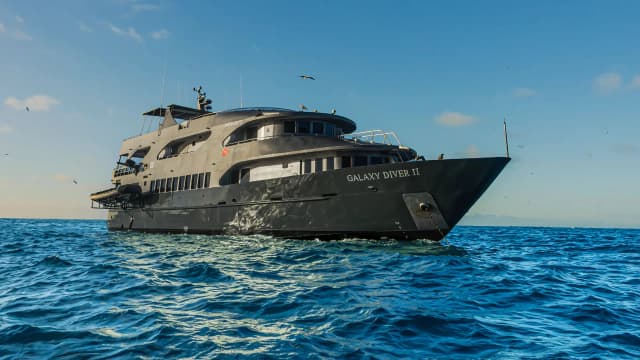
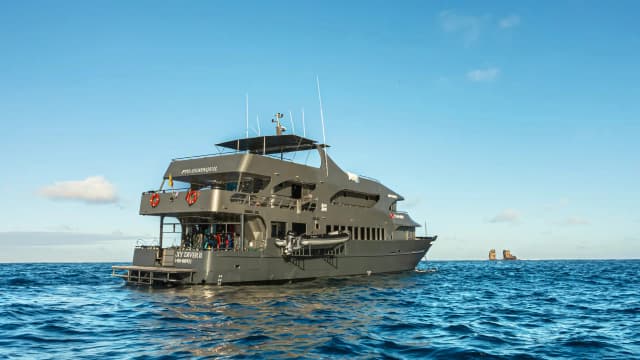
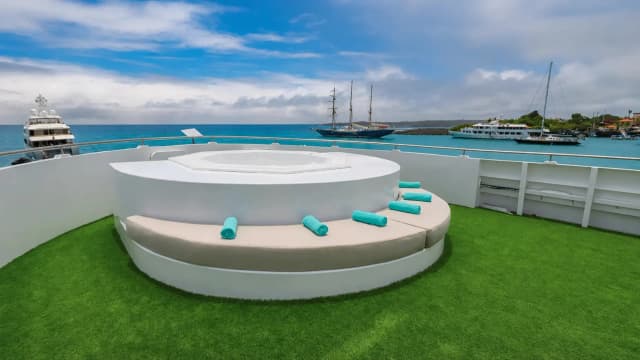
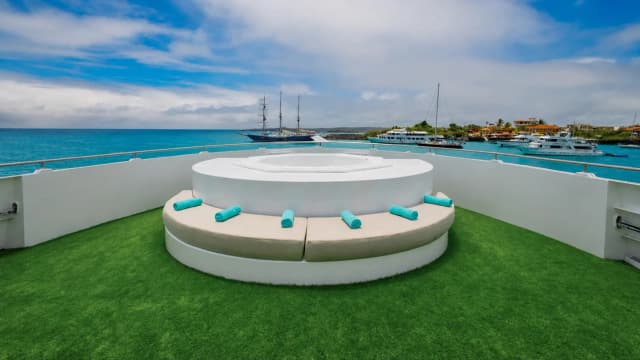
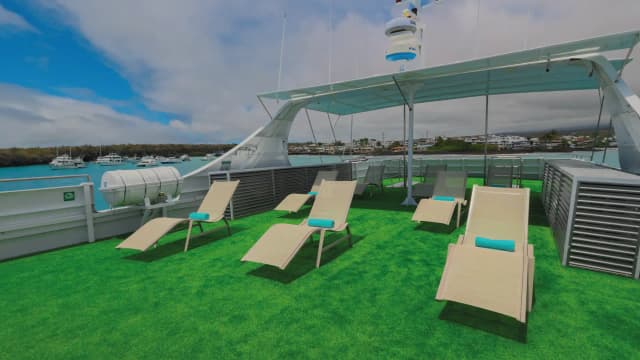
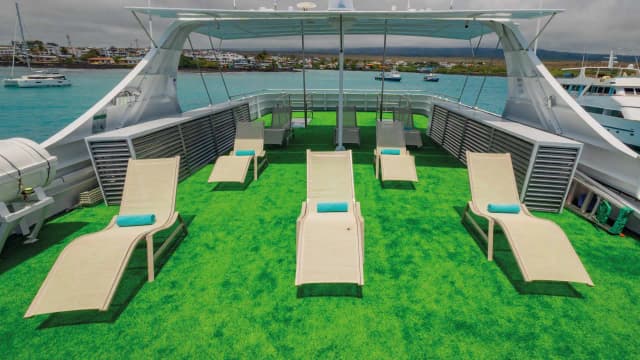
+9
Galaxy Cruises
Main Deck
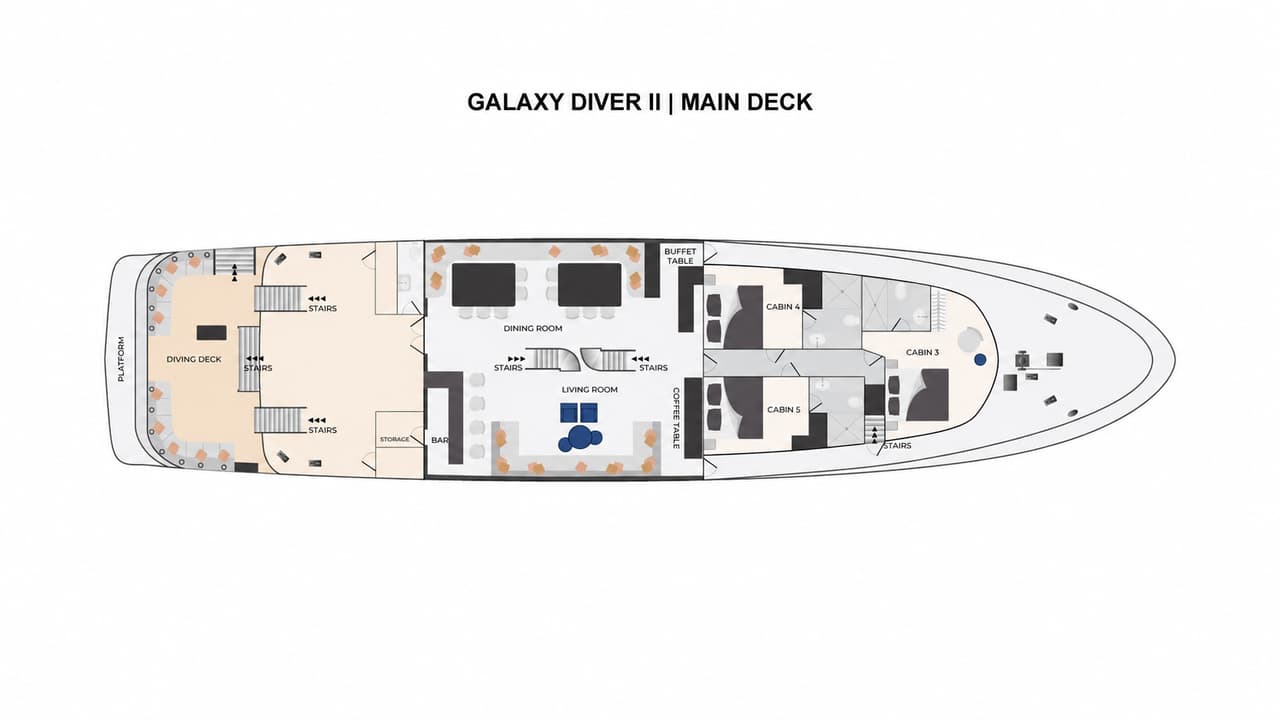
Upper Deck
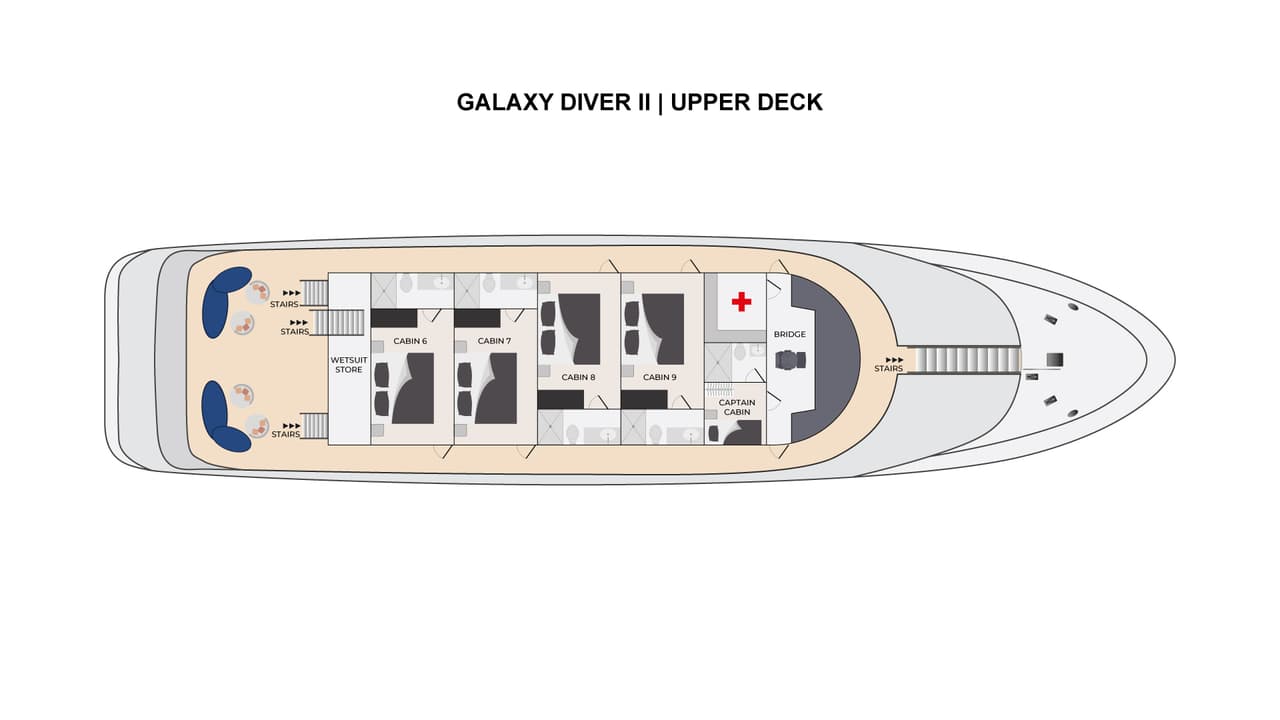
Sun Deck
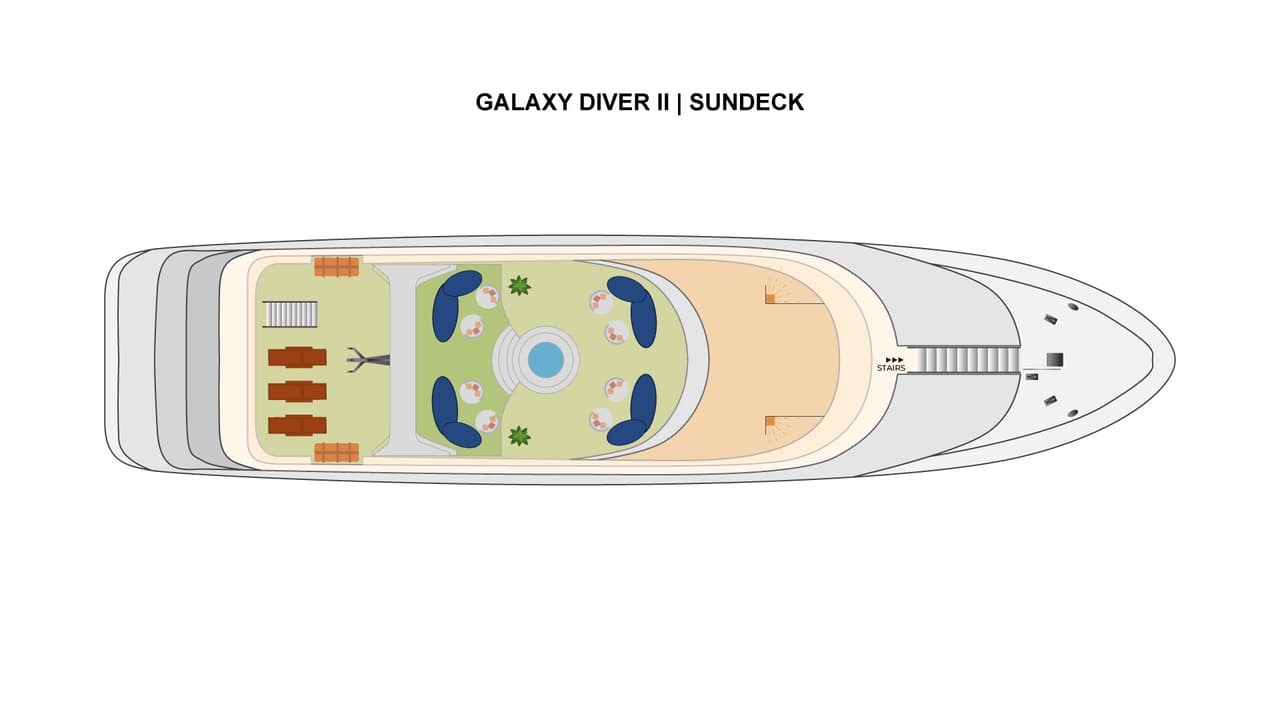
Lower Deck
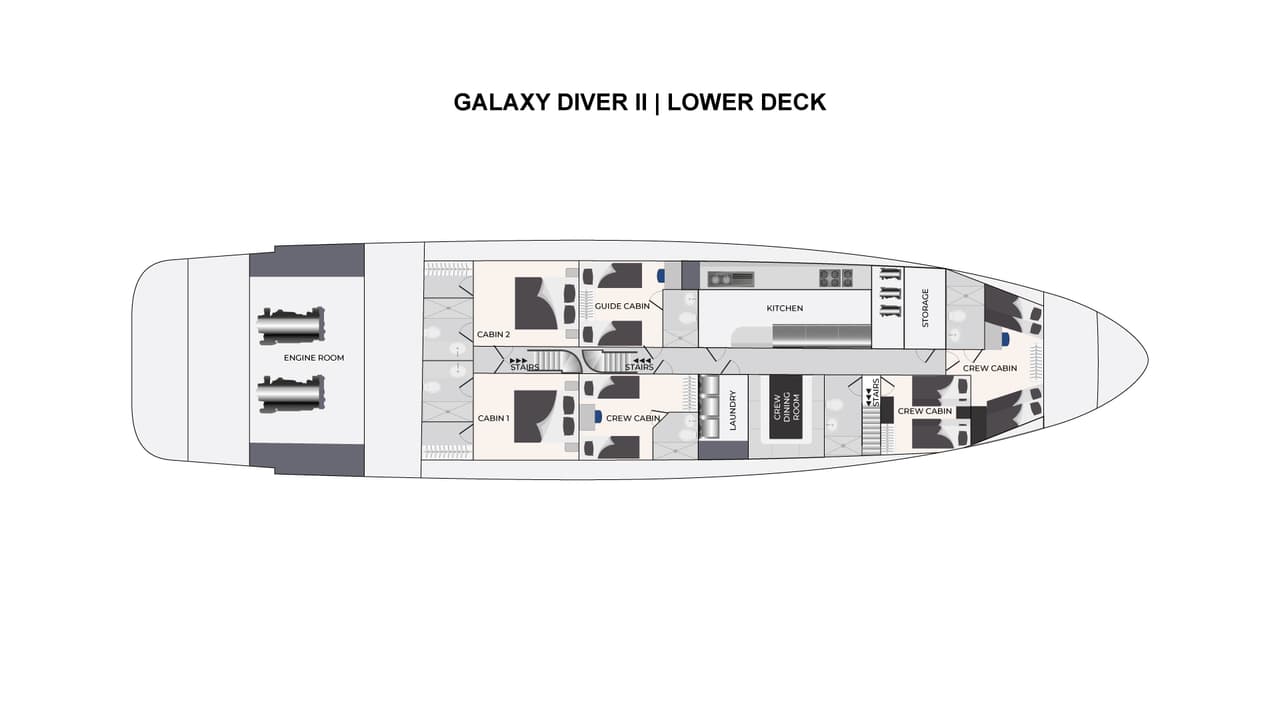
Minimum age of 15 for divers is strongly suggested.
Do not confuse regular travel medical and/or travel insurance with diving-specific insurance such as DAN (Divers Alert Network) or Dive Assure. This type of insurance will cover all of your scuba diving and snorkeling activities, including the costs for recompression chamber treatment and emergency air evacuation. These are not covered by the average travel insurance. We usually recommend contacting DAN or Dive Assure who can set you up with a travel insurance plan which includes general travel insurance, including trip cancellation …. plus full dive coverage.
Galapagos Islands is a truly unique experience. So yes, you should definitely take that PADI scuba diving Galapagos beginner course before opting for a liveaboard.
Currents are moderate to strong and may require you to grab hold of rocks below the surface so you don’t drift away.
Due to its currents Only experienced divers should be going on a liveaboard. (Minimum Advanced Open Water, 50 logged dives, and experience in cold water and currents.)
Visitors will need to have a PADI Certification (minimum Open Water Diver license) or equivalent and a total of at least 50 logged dives.
In December and May, the water temperature becomes warmer, creating a favorable environment for impressive and colorful marine biodiversity. In these warm waters, divers can enjoy excellent visibility as the presence of sediments and algae is minimal. From June to November, the water temperature decreases, providing an opportunity for cold-water diving. During this period, unique species such as hammerheads and whale sharks can be encountered. These months create a paradise for diving enthusiasts and marine life lovers.
The cold season lasts for 3.7 months, from November 14 to March 6, with an average daily high temperature below 56°F/ 13 C . The coldest month of the year in Galápagos is January.
Although there can be 30 meter (100 feet) visibility in the Galapagos Islands, the more common visibility conditions are between 10 – 20 meters (30 – 70 feet). Visibility is very dependent on the amount of plankton in the water. For this reason, the colder months of the year have poorer visibility than the warmer months. In exchange, more plankton in the water means more activity.
Most diving cruises have the following gear available for rent: BCD, Reg-set, wetsuit, mask, snorkel, fins, computer, and gloves.
We highly recommend a liveaboard experience because the most interesting dive sites are remote and are around islands whose shores tourists aren’t permitted to visit on foot.
Yes they do rent equipment, refer to our rental pricing.
Discover the experiences, spaces, and moments that define life aboard. Click any card for the full description.
Click any cabin for full amenity list and floor plan.