Storm Petrel
Strom Petrels hover above the water to pick small crustaceans and fish from just under the surface.
Oceanwide Expeditions
April 12, 2026

How do Storm Petrels feed?

Are Storm Petrels social?
What are Storm Petrel birthing rituals like?

How long do Storm Petrels live?
Do Storm Petrels have any natural predators?

7 Stunning Storm Petrel Facts
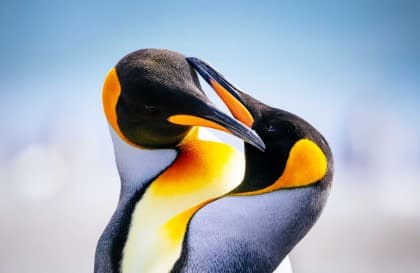
Due to the belief that their arrival heralded the storm, these ill-omened "Mother Carey's chickens" were also referred to as "satanites," "water witches," and "birds of the devil"
Name: Storm Petrel. Note – “Storm Petrel” is a catch-all phrase referring to two subfamilies of birds with a number of different species found therein.

Length: 13 to 26 cm, depending on species.
Conservation status: Depends on species.

Diet: Crustaceans, small fish, molluscs.
Appearance: Oceanitinae – Square tails, long skulls, long legs, short wings. Most species of this family have dark backs and heads with white underparts. Hydrobatinae – Forked or wedge-shaped tails, longer wings, shorter legs. Most Hydrobatinae members are darker with white on the rump. However, the Fork-tailed Storm Petrel is grey all over and the Hornby's Storm Petrel has white facial markings and undersides.
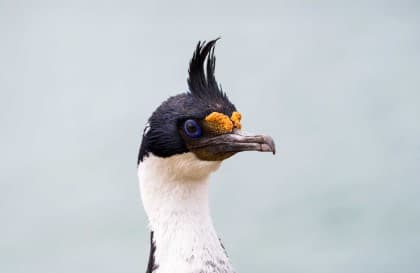
Storm Petrels hover above the water to pick small crustaceans and fish from just under the surface. They are also capable of making shallow dives but this option is rarely chosen.
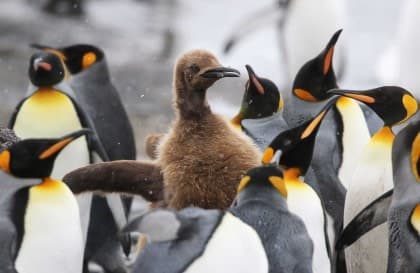
They are often seen in the vicinity of underwater predators like whales or seals that chase prey fish to the surface making them easier to catch.
Storm Petrels form colonies during the nesting season that can range into the hundreds of thousands or even millions.

Colonies of Storm Petrels return year after year to the same nesting locations. The nests are built in burrows or crevices in rock. All but one species of Storm Petrel become nocturnal at the nesting sites in order to cut down on their chances of being spotted by predators and leading them back to the eggs or young (Wedge-rumped Storm Petrels being the exception).
Adults are monogamous and will return to each other in following seasons. A single egg is laid. Both parents take turns caring for the egg during the incubation period of around 50 days in 6-day shifts, followed by a rearing period of another 70 days.

Storm Petrels can live for around 30 years.
Storm Petrel eggs and young are preyed upon by introduced mammals like feral cats and rats, as well as Skuas and Gulls, depending on the nest’s location.
Curated by Gvoya
Looking for the right voyage?
Browse upcoming departures from Oceanwide Expeditions and find the right itinerary.
Browse Oceanwide Expeditions VoyagesSource: oceanwide-expeditions.com