Wilson's Storm Petrel
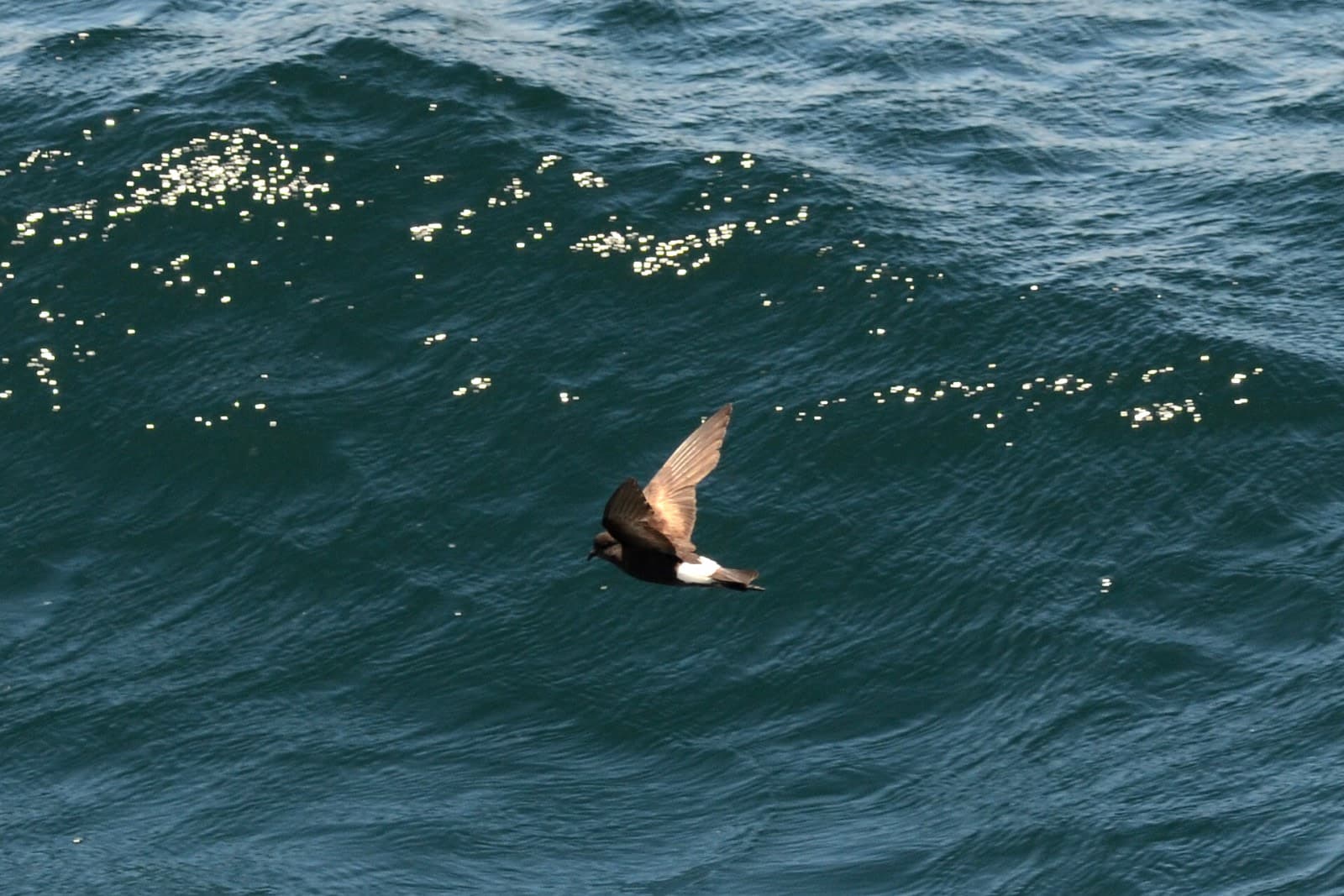
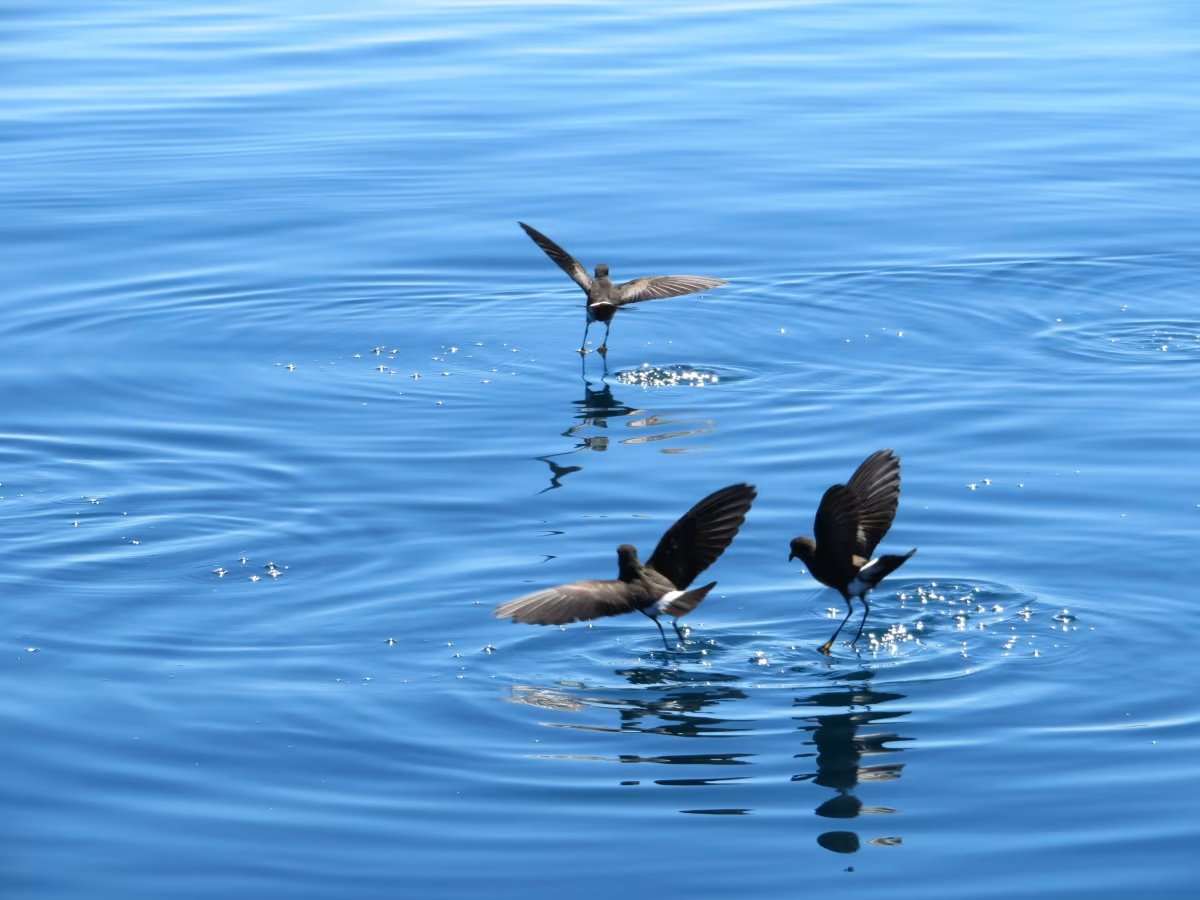
Wilson’s Storm Petrels have the ability to hover just above the water’s surface in order to pluck at plankton just underneath. Their feet will dip in at a spot in the water (perhaps to attract prey), the bird will nab the food, and then it will flutter to a new spot a little ways away.
Oceanwide Expeditions
April 12, 2026

How do Wilson’s Storm Petrels feed?
What are Wilson’s Storm Petrel birthing rituals like?
How long do Wilson’s Storm Petrels live?
How many Wilson’s Storm Petrels are there today?
Do Wilson’s Storm Petrels have any natural predators?
7 Wonderful Wilson’s Storm Petrel Facts
These storm-savvy seabirds are the smallest warm-bodied creatures to breed in Antarctica, evading the most violent tempests by flying in the troughs of waves

Name: Wilson’s Storm Petrel, Wilson’s Petrel (Oceanites oceanicus)
Length: 16 – 18.5 cm (6 – 7.3 inches)
Location: Southern hemisphere worldwide, some points in northern hemisphere during summer.
Conservation status: Least Concern.

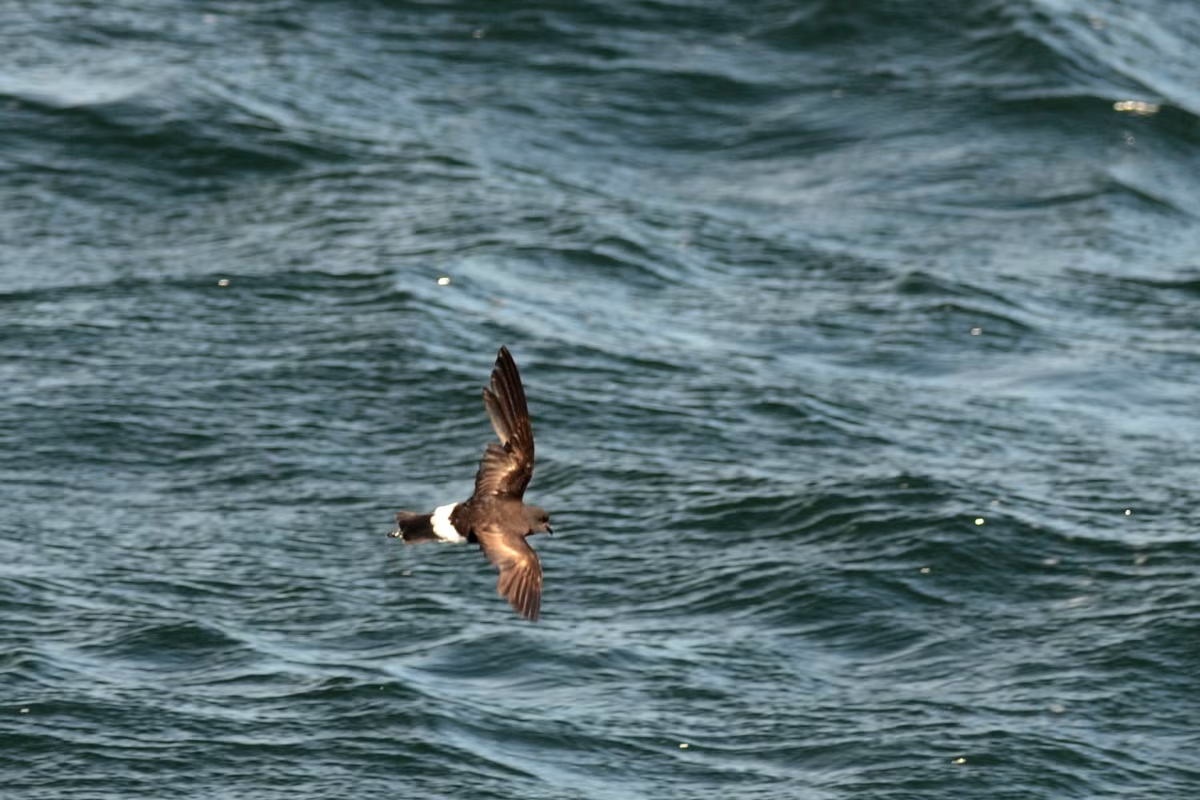
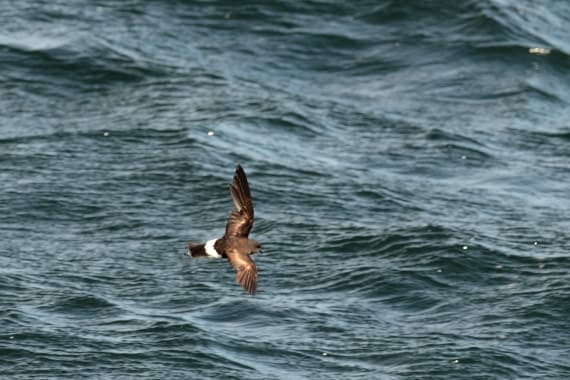
Appearance: Sooty grey to black with a prominent white “belt” between the breast/shoulders and the tail. Wings are short and rounded.
Wilson’s Storm Petrels have the ability to hover just above the water’s surface in order to pluck at plankton just underneath. Their feet will dip in at a spot in the water (perhaps to attract prey), the bird will nab the food, and then it will flutter to a new spot a little ways away.
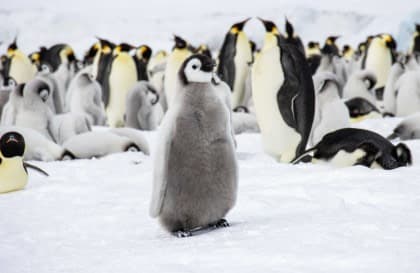
Wilson’s Storm Petrels mature sexually at around 4 years of age.
Nesting occurs between November through May, the exact starting time depending somewhat on where in the world a particular bird is located. Colonies are located close to the sea. Nests are built in crevices in rocks or in burrows in the earth. A single white egg is laid.

The adults go foraging for food only at night in order to avoid detection by predatory birds such as Gulls and Skua. They find their nests in the dark by smell.
Both parents will take turns incubating (about 2½ months) the egg and then feeding the chick once it has hatched. Chicks are brooded for about 2 months.
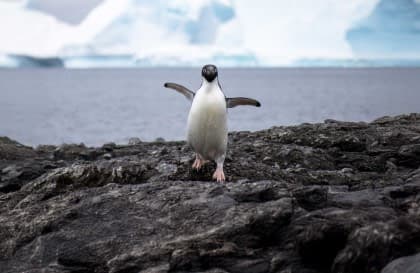
Hatchlings will finally leave the nest anywhere from 50 to 100 days after hatching, the time seeming to depend on how much they were fed during the brooding period.
Wilson’s Storm Petrels can live for up to 20 years in the wild.

Estimates put the Wilson’s Storm Petrel worldwide population at over 30 million individuals.
Wilson’s Storm Petrels young and eggs are preyed upon by Skuas, Gulls, Owls, and Falcons. Because of their small size adults may also be taken by Falcons.
Curated by Gvoya
Looking for the right voyage?
Browse upcoming departures from Oceanwide Expeditions and find the right itinerary.
Browse Oceanwide Expeditions VoyagesSource: oceanwide-expeditions.com