Why Some Travelers Take a Different Route: Exclusive Access
The Map That Changes Your MindYou start planning with the photographs. Blue-footed boobies. Giant tortoises. Sea lions sprawled across white sand. These images exist in your mind as destinations, things to check off, moments to capture.Then someone shows you the actual map of the Galápagos archipela

Galaxy Cruises
September 15, 2026
The Map That Changes Your Mind
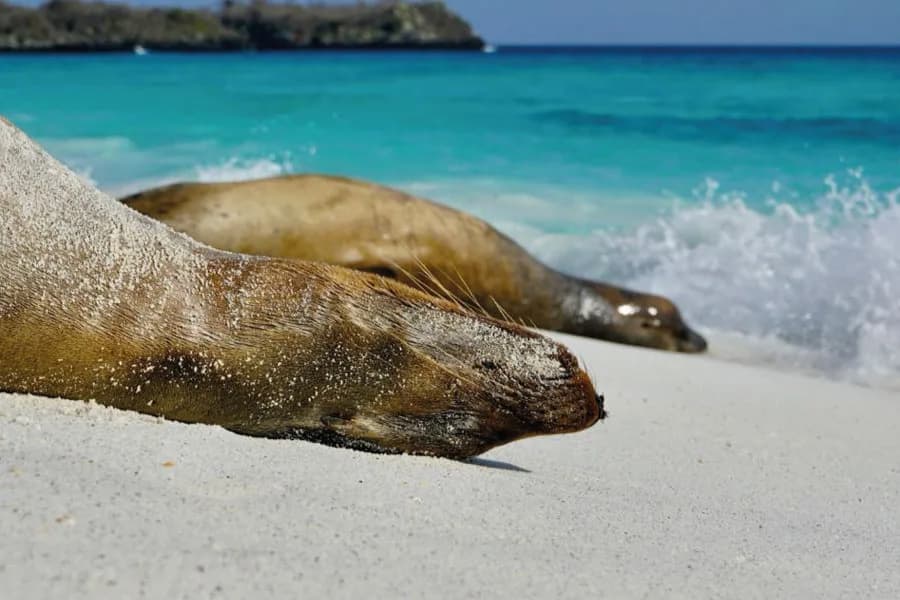
You start planning with the photographs. Blue-footed boobies. Giant tortoises. Sea lions sprawled across white sand. These images exist in your mind as destinations, things to check off, moments to capture.
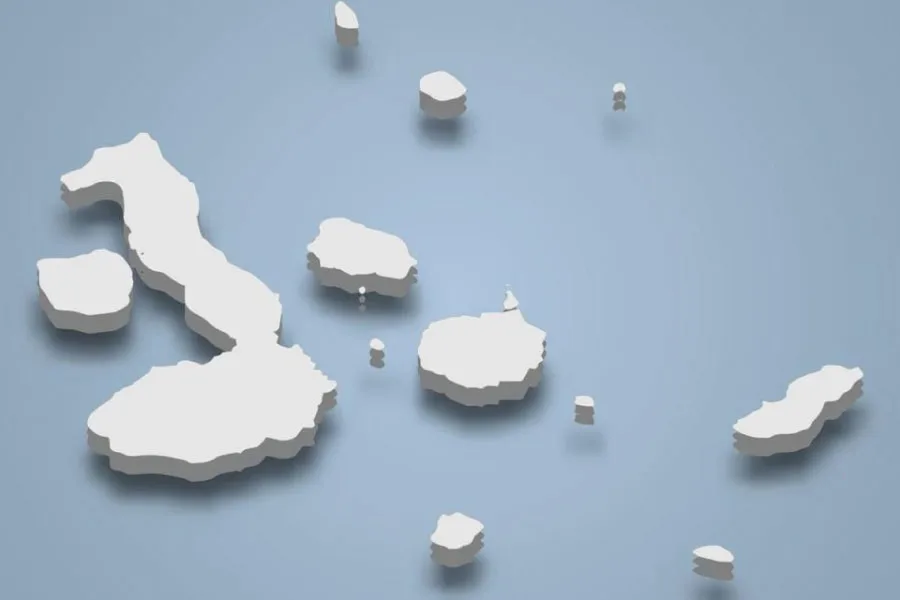
Then someone shows you the actual map of the Galápagos archipelago. Not the simplified tourism version with five or six labeled islands, but the real one. Thirteen major islands scattered across 60,000 square kilometers. Dozens smaller. Hundreds of volcanic formations, some barely breaking the surface. A geography so fragmented that 70% of designated visitor sites exist only where boats can reach.
The map changes the question. It’s no longer about which cruise. It’s about which version of this archipelago you’ll actually encounter. The compact, accessible version centered around a handful of well-known islands? Or the sprawling, oceanic reality where the most remarkable experiences happen at the edges, in the spaces between the famous names?
This shift explains why some travelers abandon the central circuit entirely and choose routes most people never consider.
When the Journey Between Islands Becomes the Story
Here’s what nobody tells you until you’re actually doing it. The passages matter. Not just as transportation, but as experiences themselves.
Central circuit itineraries minimize sailing time. You wake anchored. You explore. You return. You sail for a few hours overnight. Efficient. Predictable. The ocean exists as infrastructure.
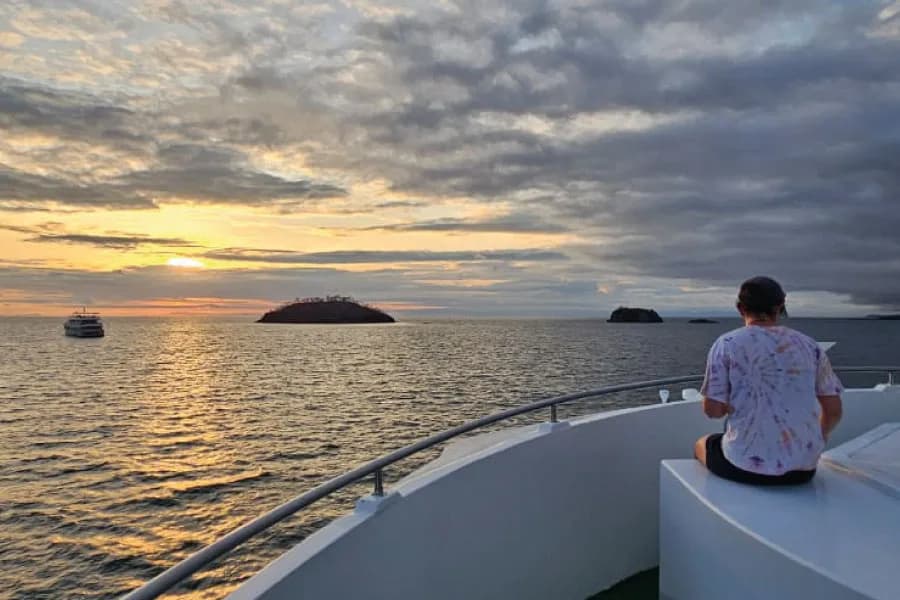
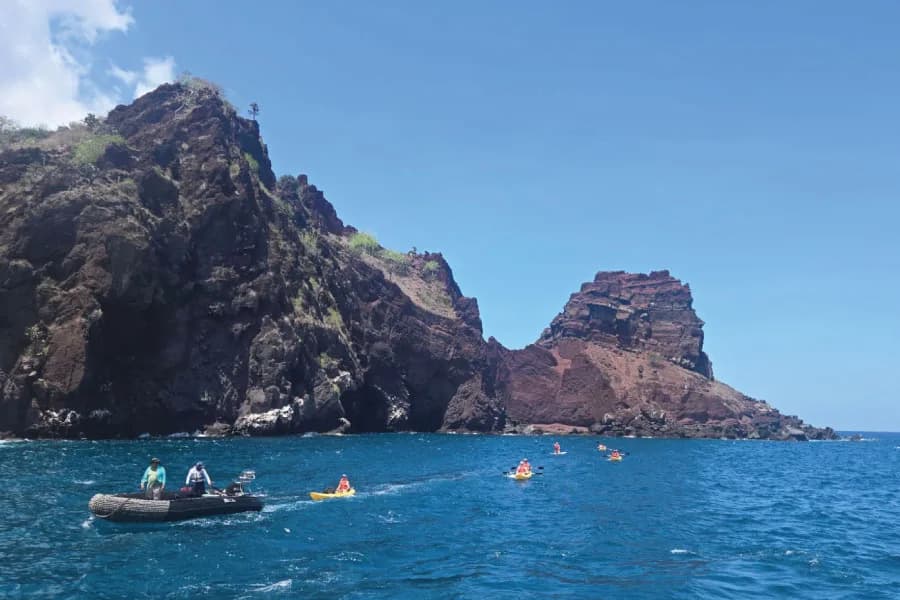
Western and northern routes operate differently. You might spend eight hours crossing the open ocean to reach Isabela’s northwestern coast.
During that passage, the Pacific transforms. Dolphins ride the bow wave for twenty minutes. Storm petrels skim the surface. A whale breaches nearby, and the ship pivots to watch.
These aren’t scheduled stops. They’re unscripted rewards of traveling through actual ocean wilderness rather than hopping between nearby islands. The small ship Galápagos itinerary prioritizing remote destinations accepts longer passages as part of the experience.
A naturalist guide described encountering orcas during a dawn passage to Fernandina. The captain cuts the engines. For forty minutes, the vessel drifted while the orcas hunted, their coordination visible in clear water. It happened because the route itself moved through spaces where such moments become possible.
Galaxy Cruises structures itineraries understanding this. When you choose routes reaching Marchena, Pinta, or far western islands, you’re selecting a different relationship with the archipelago. Not just different landing sites, but different rhythms. Different chances for discovery.
The Islands That Rewrite Your Understanding
Most itineraries visit eight to twelve sites over a week. You see biodiversity. You encounter famous species. The trip succeeds by conventional metrics.
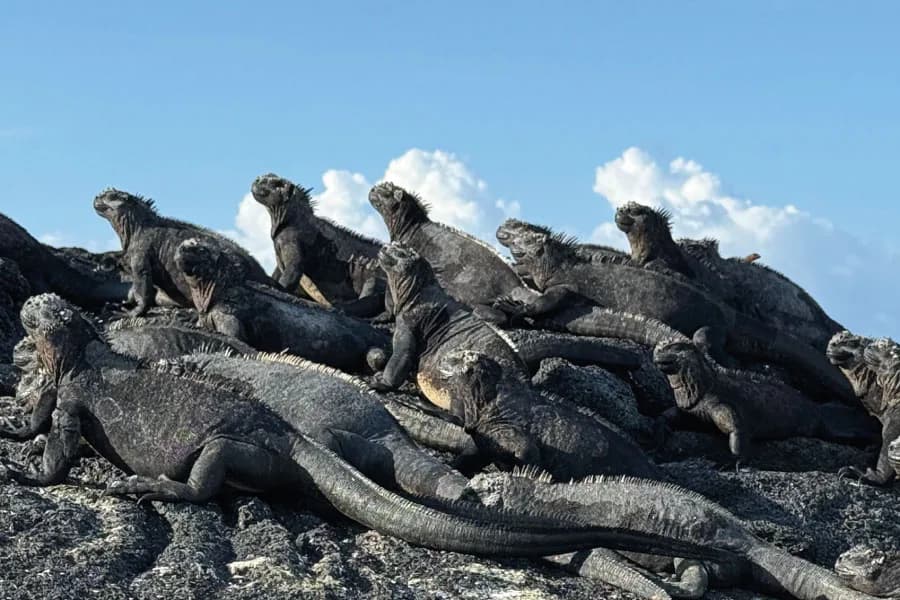
Then there are places that compress so much biological wonder they become reference points for everything else. Take Española Island’s Punta Suarez. The trail leads past marine iguana colonies numbering in the hundreds. Nazca boobies nest beside the path. Blue-footed boobies perform courtship dances three meters away.
But the revelation comes at the western cliffs between April and December when waved albatrosses return to breed. These birds, with three-meter wingspans, spend most of their lives flying thousands of kilometers across the open ocean. They return to Española with navigation so precise they land within meters of previous nests. Watching them struggle with takeoffs, running toward cliff edges to achieve lift, then soar with impossible grace, fundamentally changes how you understand this archipelago’s relationship with the Pacific.
A rushed visit captures the moment. Extended stay reveals the pattern. Small ship itineraries prioritizing depth allow three-hour landings instead of ninety-minute rotations. You see albatross courtship from initial approach through ritualized movements to pair bonding, unfolding on biological time.
Or consider Floreana’s Post Office Bay. Many itineraries include it as a brief cultural stop. The tradition dates to the 1700s when whalers left letters in a barrel. Tourists reenact this, leaving postcards, snapping photos, and departing.
What gets missed: Floreana’s human history is the Galápagos story compressed. First permanent settlements. The 1930s murders that became international news. Descendants of original colonists still farming the highlands. When you have time to hike inland beyond the barrel, you encounter a completely different dimension. Not just an evolutionary laboratory, but proving ground for human ambition.
Galaxy Cruises routes allocating real time to places like Floreana allow layered exploration. You’re not maximizing site count. You’re maximizing understanding.
What 70% Accessible Only by Boat Actually Means
That statistic appears everywhere. Seventy percent of visitor sites are accessible only by boat. Most understand this as an argument for cruising.
The deeper truth: within that 70%, significant stratification exists. Some sites accommodate any vessel. Others reveal themselves fully only to boats capable of reaching remote locations and staying long enough for observation to mature.
Devil’s Crown off Floreana exemplifies this. A submerged volcanic crater creates premier snorkeling. Many itineraries include it. What varies is when you arrive and how long you stay.
Midday in high season, multiple pangas circle. Snorkelers from different ships intermingle. You see abundant fish, maybe sea lions, possibly reef sharks. Biodiversity delivers.
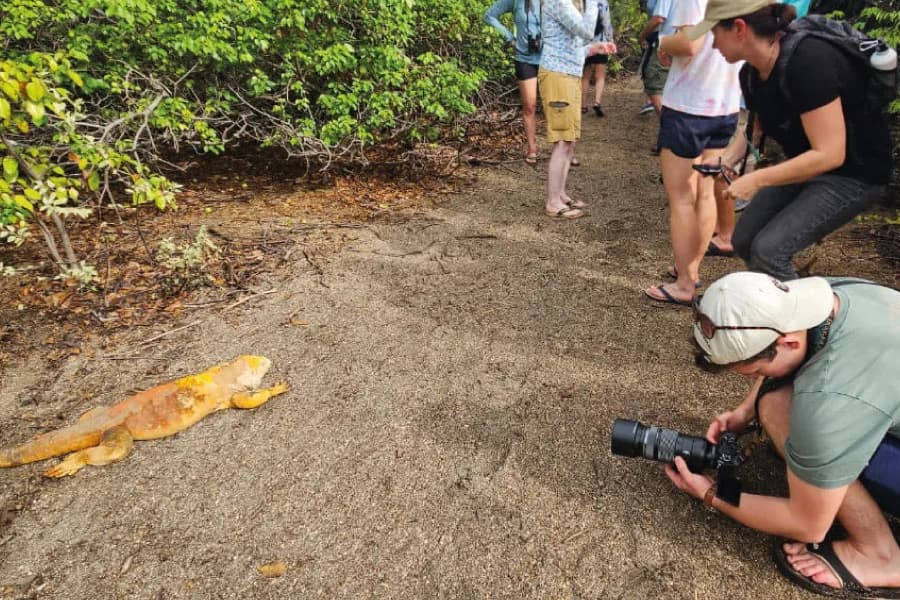
Dawn, with just your small group, produces different encounters. Hammerhead sharks cruise deeper sections. Manta rays appear. Sea lions, more playful without crowds, engage in extended acrobatics. You stay ninety minutes because nobody waits, because your naturalist guide recognizes that right now, conditions support observation rare enough to justify schedule deviation.
This flexibility to reach less-trafficked locations and spend meaningful time defines the small ship Galápagos cruise experience. You’re not just accessing more sites. You’re accessing different versions under conditions altering what’s possible to witness.
The Choice That’s Actually About Values
Every planning guide presents the decision as practical. Budget. Schedule. Comfort. These matter. But they obscure the fundamental question: What do you value in wild places?
Species diversity and comprehensive coverage? Or depth of encounter with fewer locations? Comfort and amenity? Or acceptance of basic conditions for remoteness? Predictable itineraries? Or flexible routes allowing discovery?
Neither supersedes the other. They lead to different choices.
I’ve talked with travelers who selected eight-day western routes to experience the Galápagos as an archipelago, not just a collection of landing sites. They wanted the passages. The dawn watch for whales. The sense of crossing the actual ocean to reach islands that still feel genuinely remote.
Galaxy Cruises designs both route types. Some itineraries optimize for comprehensive coverage. Others prioritize access to places large ships can’t reach and time enough to understand what you’re seeing beyond identifying species.
The best way to experience the Galápagos depends entirely on which version of “best” you’re measuring.
What You Remember After the Species List Fades
Three years later, details blur. You remember seeing tortoises but not which island. You recall snorkeling with sea lions but the specific bay escapes you.
What persists are moments when something unexpected broke through. When the itinerary gave way to genuine surprise
Maybe watching a frigatebird teach its juvenile to fly, the adult swooping low repeatedly, the lesson spanning thirty minutes you couldn’t have scripted.
Or in the afternoon the panga driver spotted unusual activity and diverted. A marine iguana feeding underwater, movements visible in clear shallows, exhibiting behavior your guide had seen maybe three times in ten years.
Or simply the evening at anchor off a completely uninhabited island, the only vessel in sight, stars so dense overhead that familiar constellations disappeared, while bioluminescence sparkled below each time something moved.
These moments of genuine wildness happen more readily in certain contexts. Remote locations. Flexible schedules. Small enough groups that spontaneity remains possible. Routes designed with slack time that unexpected opportunities can be seized.
When travelers choose intentional travel Galápagos style, prioritizing depth, they’re selecting conditions making such moments more likely. Not guaranteed, but more probable than itineraries optimized for efficiency.
The Route You Choose Chooses Your Story
You can visit the Galápagos and return with exactly the experience you expected. Species checklist completed. Famous sites photographed. This satisfies completely if that’s what you sought.
Or you can choose a route that builds in space for the archipelago to surprise you. That accepts longer passages as opportunities. That prioritizes locations where wildlife behavior reveals itself to patient observation.
Galaxy Cruises serves both approaches. But when the company designs itineraries emphasizing exclusive Galápagos landing sites and off the beaten path experiences, it’s targeting travelers who’ve recognized something: the story you return with depends on the story you chose by selecting your route.
Central circuits tell stories of comprehensive discovery. Western routes tell stories of depth, remoteness, and patience rewarded. Neither supersedes the other. They produce fundamentally different relationships with this place.
Some travelers want the Galápagos delivered efficiently. Others want to be delivered to the Galápagos on its own terms. The route determines which version unfolds.
Your choice. Your story.
Curated by Gvoya
Looking for the right voyage?
Browse upcoming departures from Galaxy Cruises and find the right itinerary.
Browse Galaxy Cruises VoyagesSource: galaxycruises.com